
If your social feeds have filled up with magnesium gummies, magnesium “sleepy drinks” and claims that a magnesium supplement is the missing piece in your weight-loss plan, you are not imagining it. In Google Trends, searches in the UK for “does magnesium help you lose weight” have shot up over the past three months. So, does it? Here is what magnesium actually does, what the research found, and where it genuinely fits.
The quick answer
Magnesium does not directly make you lose weight. Reviews pooling dozens of clinical trials found no meaningful change in body weight, waist size or body fat for most people taking magnesium supplements. Magnesium is still an important mineral (for energy, muscles and nerves), and the NHS says most people can get the 270–300 mg a day they need from food. If what you are really after is fewer cravings and steadier energy, your meals, your sleep and an easy daily habit like Akemi Coffee Boost in your morning cuppa will do far more.
Where the magnesium trend came from
Magnesium has had a moment. It is popular as a bedtime supplement, it appears in viral evening drinks, and it gets mentioned in videos about stress, sleep and “hormone balance”. From there it is a short leap to weight loss: if magnesium helps you sleep and sleep helps your weight, surely magnesium helps your weight? It is an appealing chain of logic, and like most online health trends, it contains a grain of truth wrapped in a lot of hope.
What magnesium actually does in your body
Magnesium is a mineral involved in hundreds of processes. According to the NHS, it helps turn the food we eat into energy and makes sure the parathyroid glands, which produce hormones important for bone health, work normally. It also plays a part in muscle and nerve function. In other words, it is essential, but its job is keeping the machinery running, not burning fat.
What the research says about magnesium and weight
Two large reviews are worth knowing about:
- A 2021 review in the British Journal of Nutrition (Rafiee and colleagues) pooled 28 randomised trials with about 2,000 participants and found no significant changes in body weight, BMI, waist circumference or body fat after magnesium supplementation overall. The only hint of an effect was on waist size in adults with obesity, and the authors called for more high-quality studies.
- A 2020 review in Critical Reviews in Food Science and Nutrition (Mofrad and colleagues) of 32 trials found a very small reduction in BMI, mainly in people who were deficient in magnesium, had obesity or had conditions linked to insulin resistance, and no significant change in body weight, waist size or body fat percentage.
So the honest summary is: if you are already getting enough magnesium, a supplement is very unlikely to change the number on the scale. If you might be low, the fix is to get back to normal levels, ideally through food, and to talk to your GP if you think you have a deficiency.
The grain of truth: sleep, energy and cravings
The trend is not entirely wrong about the bigger picture. Sleep really does matter for weight: short nights tend to make the next day hungrier and sweet foods harder to resist. Energy matters too: if you feel flat at 3pm, the biscuit tin by the kettle starts looking very persuasive.
But the levers that move those things most are not a single mineral. They are steadier blood sugar (protein and fibre at meals), enough sleep, a short walk after eating and a routine that does not depend on willpower. Our guide on how to stop sugar cravings walks through all of them, and if you are confusing a swollen tummy with fat gain, read bloated belly or belly fat?
How much magnesium you need (NHS figures)
| Who | Daily amount (NHS) | Good to know |
|---|---|---|
| Men aged 19–64 | About 300 mg a day | Most people can get this from a varied, balanced diet |
| Women aged 19–64 | About 270 mg a day | Same: food first |
| Supplements | 400 mg or less a day is unlikely to cause harm | High doses can cause diarrhoea; check with your GP or pharmacist if you take medication or have kidney problems |
The best food sources of magnesium
The NHS lists these as good sources, and many of them also help with fullness, which is a nice bonus when you are losing weight:
- Green leafy vegetables such as spinach.
- Nuts: a small handful of almonds makes a filling afternoon snack.
- Brown rice and wholegrain bread, which also add fibre.
- Fish, meat and dairy foods.
Build a couple of these into your day and you are covering your magnesium and your fibre at the same time. For a simple plan based on the official guidance, see what the NHS actually recommends for losing weight.
Should you take a magnesium supplement for weight loss?
For weight loss on its own, the evidence says no. Some people take magnesium for other reasons, and that is a conversation for your GP or pharmacist, especially if you take regular medication. What we would not do is pin your weight-loss hopes on it. A better use of the same money and effort is a habit that tackles fullness and cravings directly, every single day.
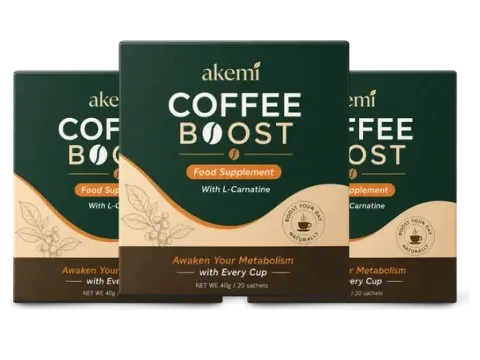
That is exactly the gap Akemi Coffee Boost was designed for. It does not contain magnesium and it does not pretend to be a sleep aid: it is a flavourless sachet you stir into your morning coffee or tea, with soluble fibre to help you stay full and plant extracts that support steadier blood sugar after meals.

Our recommendation: Akemi Coffee Boost
If the magnesium trend caught your eye because you want fewer cravings and steadier energy, Akemi Coffee Boost is the option we recommend. It goes straight at the afternoon slump, and it fits into the cuppa you already have every morning.
- Fibre for fullness. Psyllium husk and resistant dextrin help you stay satisfied between meals, so the biscuit tin has less pull.
- Support for steadier blood sugar. White kidney bean and mulberry leaf help after carb-heavy meals.
- Gentle energy. Green tea, green coffee bean and L-carnitine support energy and a healthy metabolism, with only about 30 mg of natural caffeine per sachet, less than a typical mug of instant coffee, so it will not keep you up at night if you take it in the morning.
- Works in coffee or tea. Flavourless and odourless, it dissolves in hot or iced coffee, builder’s tea or water. One sachet a day.
UK prices are clear: 1 box £29.99, 2 boxes £49.98 (£24.99 each, most popular) or 3 boxes £59.97 (£19.99 each, about £1 a day). It is a one-off purchase with no subscription, delivery is calculated at checkout, and every order comes with a 30-day money-back guarantee. Customers rate it 4.8/5 across 3,758 reviews. It is sold only through the official website and works best with a few weeks of consistent use alongside the food-first habits above.
As always, if you are pregnant, breastfeeding, taking medication or managing a health condition, speak to your GP before adding any food supplement to your routine.
Frequently asked questions
Does magnesium help you lose weight?
Not directly. Large reviews of clinical trials found that magnesium supplements did not meaningfully change body weight, waist size or body fat in most people; any small effects appeared mainly in people who were low in magnesium or had obesity or insulin resistance. Magnesium matters for energy and muscle function, but it is not a fat burner.
How much magnesium do I need a day?
The NHS says adults aged 19 to 64 need about 300 mg a day for men and 270 mg a day for women, and that you should be able to get all you need from a varied, balanced diet.
Is it safe to take magnesium supplements?
According to the NHS, taking 400 mg or less a day of magnesium from supplements is unlikely to cause any harm. Higher doses can cause diarrhoea. If you take regular medication or have kidney problems, speak to your GP or pharmacist first.
Which foods are high in magnesium?
The NHS lists green leafy vegetables such as spinach, nuts, brown rice, bread (especially wholegrain), fish, meat and dairy foods as good sources.
Can magnesium stop sugar cravings?
There is no good evidence that magnesium switches off sugar cravings. Cravings are mostly driven by blood sugar swings, too little protein and fibre, poor sleep and habit, which is where changes to your meals and your morning routine help most.
Does Akemi Coffee Boost contain magnesium?
No. Akemi Coffee Boost contains 7 ingredients: green tea, green coffee bean, white kidney bean, mulberry leaf, L-carnitine L-tartrate, resistant dextrin and psyllium husk. It focuses on fibre for fullness and support for steadier blood sugar, with about 30 mg of natural caffeine per sachet.
Magnesium belongs on your plate. For the 3pm biscuit craving, a flavourless sachet in your morning cuppa is the more practical tool.